Quick answer: An OEM baseball uniform brief should define the garment, material, artwork, size range, labels, packaging and approval process. Adding a brand label alone does not resolve the technical specification. Keep the production reference and the branding reference connected.
Specify the garment before the label

Identify the opening style, sleeve and collar arrangement, intended fit and garment contents. If the project uses an existing pattern, ask for the relevant measurements. If a different construction is requested, confirm development requirements rather than assuming it is a standard option.
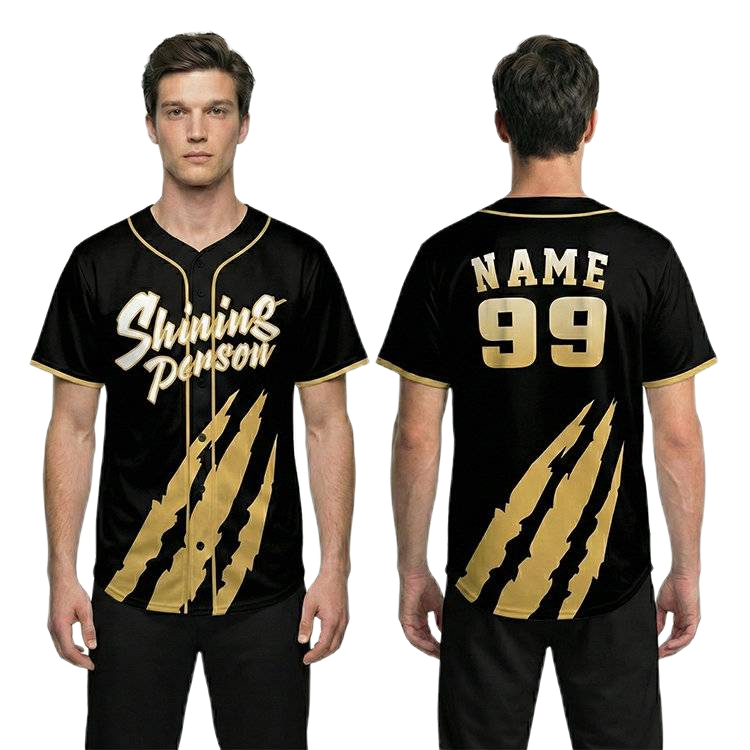
InkSportPro’s supplied baseball references focus on full-button uniforms. Its confirmed materials are 180g birdseye, 150g birdseye/pinhole and 150g straight-texture, all 100% polyester. State which option is requested and confirm nominal GSM and any agreed tolerances.
Assemble a usable technical handoff

| Specification area | Information to provide |
|---|---|
| Garment | Front/back views, construction and package contents |
| Material | Composition, fabric reference and nominal weight |
| Artwork | Editable files, placement and color references |
| Sizing | Measurement chart and required range |
| Labels | Artwork, wording, dimensions and attachment position |
| Packaging | Pack contents, identifiers and material requirements |
| Approval | Samples, revision control and production-release authority |
Not every project needs a complex technical pack, but every unresolved item should be visible. A polished mockup without a size specification can still leave the manufacturer guessing.
Keep the placket in the brand presentation review
A private-label buyer may focus heavily on the logo and packaging, yet the chest graphic is often the most visible feature of the actual jersey. Review it with the front fastened and inspect how it scales across the order’s size range.
Identify the parts of the design that cannot be changed without approval. A supplier may suggest moving a wordmark or adjusting an outline to improve the layout. Record the accepted solution instead of leaving the final placement open.
Confirm labels and required wording
InkSportPro supports OEM labels and packaging. The buyer should provide or approve the intended wording and ask which label construction and attachment methods are available.
Care instructions, fiber statements and market-specific labeling requirements need the appropriate review for the destination. This guide is a procurement checklist, not a determination that one label format satisfies every country’s rules. Do not use an unverified certification or performance claim in the label artwork.
Define packing at the player or SKU level
State whether garments should be packed by size, player, squad or retail SKU. Explain what information should appear on each pack. If the brand needs barcodes or a particular identifier, provide the data and a review method.
A photograph of branded packaging is a visual reference. Confirm the actual packaging material, dimensions, included items and any separate costs in the quotation.
Approve the repeatable production record
Retain the final artwork, label files, fabric reference, measurements and sample approval. Agree how changes will be handled on future orders. A different brand manager should be able to identify what was accepted without relying on an old chat history.
InkSportPro’s minimums are currently 10 garments per style and at least 50 per order. Confirm how your style and packaging mix fits those terms, particularly when several branded versions are involved.
Does OEM mean every requested process is already available? No. Confirm the actual construction, decoration and labeling capabilities for the project.
What should I send first? A concise garment brief plus the label and packaging references. Upload them through the inquiry form, using a download link for larger files.
Explore InkSportPro baseball uniforms or send a project brief with artwork.