
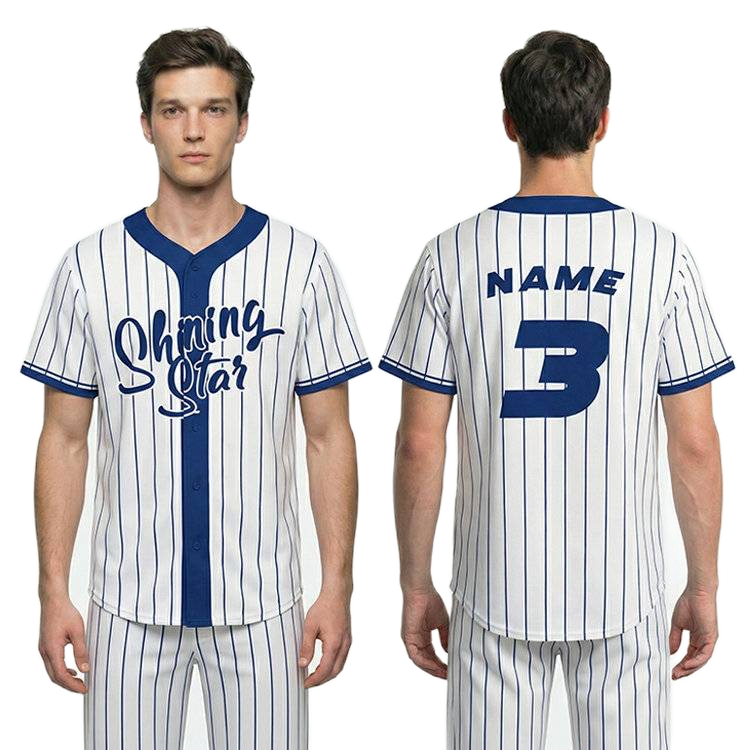
Quick answer: Collect player measurements, compare them with the selected garment’s size chart, and check a sample in the intended base layer. Keep jersey and trouser sizes in separate roster columns. Do not translate a familiar T-shirt size directly into a custom baseball uniform order.
Body measurements and garment measurements are different

A player’s chest measurement describes the body. A jersey’s chest width describes the garment, usually measured flat according to the supplier’s method. Those figures cannot be compared without understanding the method and the intended ease.
Ask the supplier to identify whether its chart lists body measurements or finished garment measurements. Request the measuring points, units and size labels. A chart with “chest 52” is incomplete if nobody knows whether that means centimetres across a flat garment or a circumference.
Build one controlled size worksheet
| Roster column | Why it belongs in the file |
|---|---|
| Player identifier | Connects sizing with the correct person |
| Jersey size | Controls the top independently |
| Trouser size, if ordered | Avoids assuming every player wears a matched letter size |
| Name and number | Links fit information with personalization |
| Approval date | Shows which entries are final |
| Exception note | Flags a measurement or fit decision needing review |
Use one owner for the master file. If individual parents send separate messages, consolidate the responses before forwarding the order. Do not let the supplier choose between contradictory versions of the same player’s size.
Review a baseball-specific fit

Try the sample over the base layer normally worn during play. Fasten the buttons and check whether the placket lies comfortably at rest. Then assess reaching forward, raising the arms and adopting a batting stance. These practical checks do not replace a formal fit specification, but they reveal issues that a front-view mockup cannot.
If the jersey will be tucked in, test it that way. Ask the player to move, then check whether the body length still meets the program’s expectations. A jersey selected only for its standing appearance may not behave as expected in motion.
Control the size decision before personalization
Names and numbers make order errors harder to resolve. Close the size roster and personalization roster together, using the same player identifiers. Have the team representative review totals by size and the full list of individual garments.
If a player is between sizes, ask for a comparison of the relevant finished measurements. Avoid a blanket “everyone size up” instruction: that can solve one player’s concern while making another player’s uniform unnecessarily loose.
Keep evidence for the next order
Retain the approved size chart, sample reference and final roster revision. If the supplier changes the pattern or fit in a later season, compare the new measurements before repeating the previous size labels. A medium with the same name is not necessarily the same garment.
A public team-buyer discussion illustrates why buyers value trying garments before collecting orders. It is an anecdotal demand signal, not proof that every supplier offers a sizing kit. Ask InkSportPro what sampling arrangement is appropriate for your project.
Should I order one size for both jersey and trousers? Only if the measurements and player approval support that choice.
What should accompany the roster? The selected style, size-chart version, fabric option and clear instructions for any exceptions. See the ordering guide for the wider approval sequence.
Explore InkSportPro baseball uniforms or send a project brief with artwork.
Size jerseys and optional white pants separately
InkSportPro offers custom baseball jerseys and optional plain white pants in a fixed standard pattern. Request the measurement information for each item. Keep jersey and pants sizes in separate columns, and confirm quantities and contents in the quote.
Explore custom baseball jerseys and uniform options · Request a team quote with your artwork